Identity, History and Trans-Nationality in Central Asia now available in Russian

A study on the Pamir mountain communities expands access for Russian-speaking readers across Central Asia and beyond.
Tomb of Nasir-i Khusraw in Yumgan, Badakhshan, Afghanistan as cover of Identity, History and Trans-Nationality in Central Asia

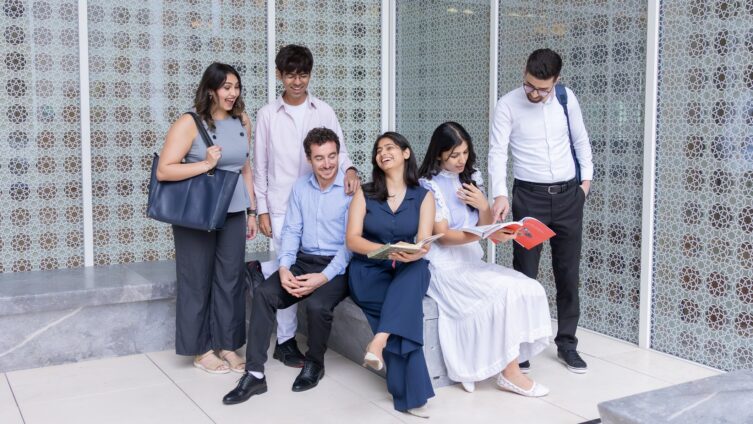
Farhad Daftary Doctoral Scholarship Applications Open

Applications are now open for the Farhad Daftary Doctoral Scholarship Programme, supporting doctoral research in Islamic Studies across IIS core research areas.
Farhad Daftary Doctoral Scholarship. Group of students sitting outdoors.

IIS launches Read & Reflect, a new publication series

A new publication series making Islamic, including Ismaili, intellectual and cultural heritage accessible to wider audiences. The first title, Know Your Qasidas, is now available from the IIS shop.
Book cover of Read & Reflect - Know Your Qasidas, featuring traditional design

About us

The Institute of Ismaili Studies, established in 1977, is a higher education, research and teaching institution dedicated to high-quality scholarship and education on Islam and Muslim societies, with a particular focus on Ismaili and broader Shiʿi studies, encompassing their historical and geographical contexts.

Discover our research

Research at IIS seeks to contribute to the field of Islamic studies in general, with a particular focus on Shiʿi and Ismaili studies.

Explore our publications

The Institute of Ismaili Studies publishes works by its own scholars as well as from the academic community outside the Institute.
Podcast

The Fatimid Caliphate on The Voice for History

Dr Shainool Jiwa joins The Voice for History podcast to examine the rise, governance and legacy of the Fatimid Caliphate and its significance in medieval history.

Stone carving with Arabic calligraphy from the facade of al-Aqmar Mosque in Cairo
Podcast

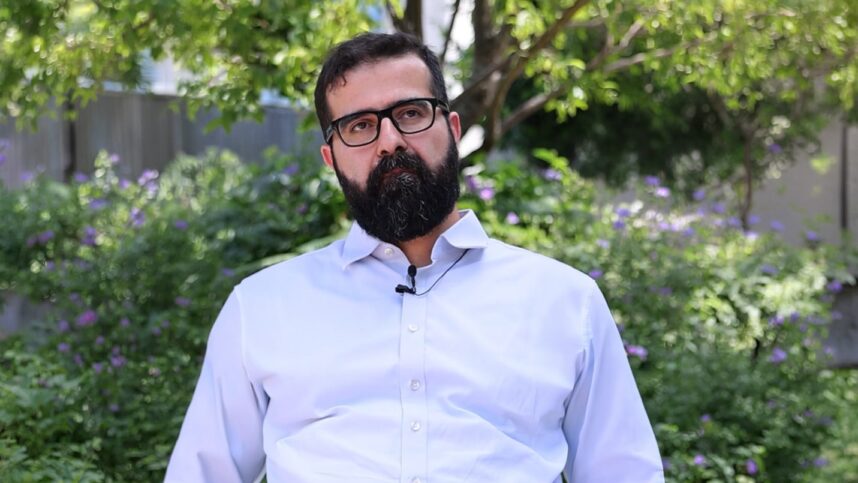
Voice of IIS with Dr Amier Saidula

Dr Amier Saidula reflects on his path from Xinjiang to The Institute of Ismaili Studies, tracing the intellectual, cultural, and personal encounters that shaped his research on Muslim communities in China.

Amier Saidula headshot at the Institute of Ismaili Studies